South Africa boosts early learning with new Thrive by Five initiatives
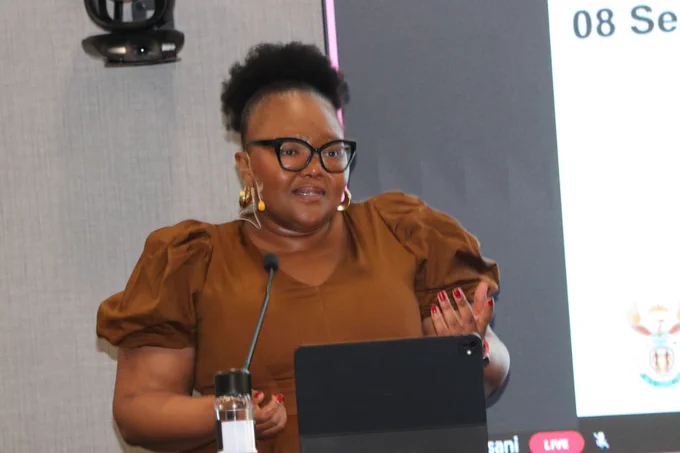
On World Literacy Day, Minister of Basic Education, Ms Siviwe Gwarube, revealed the 2024 Thrive by Five Index in Sandton, highlighting the critical role of early childhood development in literacy. The Index, a comprehensive survey in Africa, assesses children’s progress before Grade R, pinpointing successes and areas needing improvement. To tackle these issues, the Minister outlined solutions such as the Bana Pele Mass Registration Drive to boost early learning enrolment, a R10 billion investment to enhance ECD access and quality, and collaborations across sectors. She also emphasised mother tongue-based bilingual education and a partnership with UNICEF and Book Dash to launch the Stories for Joy storybook collection, promoting early literacy with freely accessible multilingual resources.
Key details from the Thrive by five index launch
- Location: Sandton, South Africa
- Event: Unveiling of the 2024 Thrive by Five Index
- Occasion: World Literacy Day
- Speaker: Ms Siviwe Gwarube, Minister of Basic Education
- Initiatives:
- Bana Pele Mass Registration Drive (increasing enrolment in early learning)
- R10 billion investment into Early Childhood Development (improving access and quality)
- Stories for Joy storybook collection (partnership with UNICEF and Book Dash)
Department of basic education activities
The Department of Basic Education (DBE) is actively working to improve early childhood development and literacy across South Africa. Minister Gwarube emphasised that literacy begins well before Grade 1, focusing on a child’s early interactions with writing and stories. The Thrive by Five Index helps the DBE understand where children are in their development before starting Grade R, allowing them to target resources and efforts effectively.
Several initiatives are underway to address the challenges identified by the Index. The Bana Pele Mass Registration Drive aims to get more children enrolled in early learning programmes. Additionally, a significant investment of R10 billion is being directed towards improving both access to and the quality of Early Childhood Development (ECD) centres. These efforts are designed to ensure that more children have access to quality early education.
The DBE is also promoting mother tongue-based bilingual education (MTbBE), which involves providing learning materials in the languages children and educators speak. This approach ensures that children can engage more meaningfully with early learning. In partnership with UNICEF and Book Dash, the DBE is developing the Stories for Joy storybook collection, which will be available in multiple languages and accessible online, supporting World Literacy Day and International Literacy Month.
Minister Gwarube stressed the crucial role of parents and caregivers as a child’s first teachers, encouraging families to foster a culture of reading at home, build vocabulary, and encourage curiosity. The DBE’s vision is that by 2030, every child, regardless of their background, will have the opportunity to reach their full potential through access to quality education. For more information on the Department’s initiatives, visit the Department of Basic Education website, and to stay updated on more activities, check here.
Questions and answers
- What is the Thrive by Five Index?
It’s a big survey in Africa that checks how well children are developing before they start Grade R. It helps us see what’s working and what needs to be improved.
- Why is early childhood development so important?
It’s super important because literacy starts way before Grade 1. The way kids play with writing and stories early on sets them up for later learning.
- What is the Bana Pele Mass Registration Drive?
It’s an effort to get more children signed up for early learning programmes so they can start learning as soon as possible.
- How is the DBE improving the quality of early childhood development?
The DBE is putting a lot of money into ECD centres to make them better and more accessible for everyone.
- What is mother tongue-based bilingual education?
It means teaching kids in the languages they speak at home so they can understand and learn better.
- What is the Stories for Joy storybook collection?
It’s a set of storybooks in different languages that kids can read to help them learn and enjoy stories. They are available online for free.
- How can parents help with their child’s literacy development at home?
Parents can read with their kids, help them learn new words, and encourage them to ask questions and be curious.
- What is the DBE’s goal for 2030?
The DBE wants to make sure that by 2030, every child has a fair chance to succeed, no matter where they come from.
- Where can I find more information about these initiatives?
You can find more information on the Department of Basic Education website and stay updated on more activities here.
“`