Siviwe Gwarube celebrates progress in formalising ECD centres
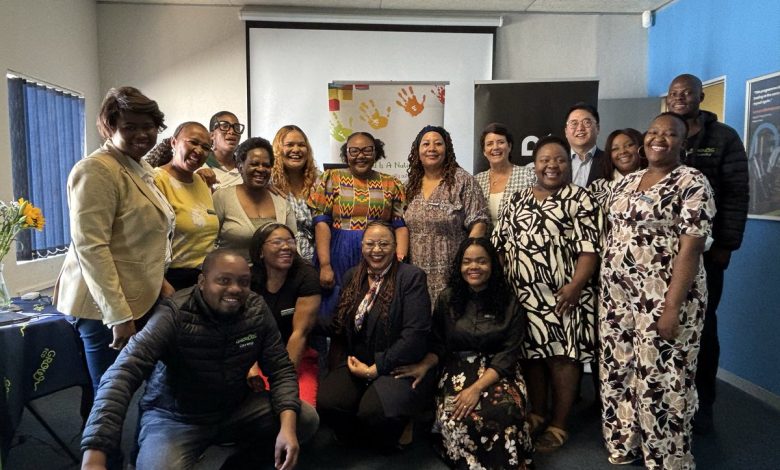
The Department of Basic Education (DBE) is delighted with the significant progress being made in formalising Early Childhood Development (ECD) centres across South Africa. This crucial initiative aims to equip these centres with the necessary tools and support, ensuring that our youngest learners receive high-quality education from an early age. The positive sentiment shared by individuals like Siviwe Gwarube, reflecting on these advancements, underscores the collective effort and dedication towards building a strong foundation for our children’s future, with key partners like those involved in the Bana Pele Mass registration programme playing a vital role.
Key details of the initiative
- Focus: Formalising Early Childhood Development (ECD) centres.
- Objective: To provide ECD centres with essential tools and support to deliver quality education.
- Beneficiaries: Young children across South Africa, ensuring they receive a strong educational foundation.
- Expression of joy: The progress has brought joy, as noted by Siviwe Gwarube, a sentiment echoed within the broader education community and the department.
- Key Partner/Programme: The Bana Pele Mass registration is highlighted as a significant initiative involving partners in this formalisation process.
- Institution: The Department of Basic Education (DBE) is spearheading these efforts.
Progress in Early Childhood Development formalisation
The Department of Basic Education (DBE) is actively working to strengthen the foundation of learning for all South African children through its robust ECD formalisation programme. We understand that the early years are critical for a child’s development, shaping their cognitive, social, and emotional skills. Our ongoing efforts are focused on ensuring that every ECD centre operates within a regulated framework, meeting established standards for safety, curriculum, and educator qualifications. This involves providing centres with comprehensive support, including resources, training, and guidance through the registration process, enabling them to offer a stimulating and nurturing learning environment.
Our commitment extends beyond mere registration; we aim to empower these centres to thrive, fostering environments where children can play, learn, and grow effectively. Collaborative initiatives, such as the Bana Pele Mass registration, are instrumental in reaching a broader number of centres and streamlining the formalisation process. We work hand-in-hand with various partners to pool resources and expertise, ensuring that our collective impact is maximised. This collaborative approach is vital as we strive towards universal access to quality early childhood education, which is a cornerstone of our nation’s development goals.
We believe that investing in early childhood development is an investment in the future of our nation. By formalising ECD centres and equipping them with the necessary tools, we are not only enhancing the quality of education but also contributing to the holistic development of our children, preparing them for primary school and beyond. For more information on the DBE’s activities and initiatives, please visit our official website at www.education.gov.za. You can also explore more departmental news and updates through our partners at SchoolClick.
Questions and answers for the public
- What is the main goal of the DBE’s ECD formalisation programme?
The main goal is to ensure that all Early Childhood Development centres meet quality standards, providing children with a strong foundation for learning and development from a young age. - Who benefits from the formalisation of ECD centres?
Primarily, young children benefit from improved learning environments. Parents also benefit from knowing their children are in safe, regulated, and quality-focused centres. Communities benefit from a better-educated future generation. - What kind of support does the DBE provide to ECD centres during formalisation?
The DBE provides various forms of support, including guidance through the registration process, access to resources, training for educators, and assistance in meeting curriculum and safety standards. - How can an ECD centre apply to become formalised?
ECD centres can approach their provincial Department of Education offices for detailed information on the formalisation and registration process, including required documentation and compliance criteria. - Why is early childhood education considered so important by the DBE?
Early childhood education is crucial because it lays the essential groundwork for a child’s future academic success, social skills, emotional well-being, and overall development, fostering a lifelong love of learning. - Are there specific programmes or initiatives aiding this formalisation?
Yes, initiatives like the Bana Pele Mass registration are examples of programmes designed to streamline and accelerate the formalisation process in collaboration with various partners. - How does the DBE ensure that formalised centres maintain quality over time?
The DBE works with provincial departments to implement monitoring and evaluation mechanisms, providing ongoing support and guidance to ensure centres continuously adhere to and improve upon quality standards. - Where can parents find more information about formalised ECD centres in their area?
Parents can contact their local Department of Basic Education district office or visit the official DBE website for information on registered and formalised ECD centres in their respective regions.