National symposium in Gauteng advances learner participation
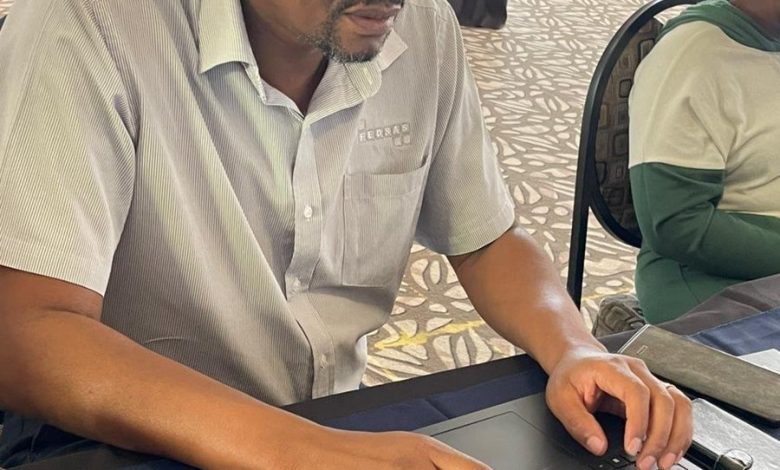
The Department of Basic Education recently held its final day of the National Strategic Symposium in Benoni, Gauteng. This important event focused on making sure learners have a bigger say in their schools through the Representative Council of Learners (RCL). A key part of the discussions involved working on a new draft Code of Conduct for RCLs, which will clearly set out their roles and responsibilities to help them participate effectively in school life.
Detailed information about the symposium
- Event: National Strategic Symposium on Advancing Learner Participation through the Representative Council of Learners (RCL).
- Location: Benoni, Gauteng.
- Dates: The provided information states “Today marks the final day,” indicating it was a multi-day event concluding on the day of the announcement.
- Participants: Delegates from various educational sectors and learner representatives engaged in discussions.
- Main topic: The primary focus was on discussing and refining the draft RCL Code of Conduct.
- Purpose of the Code of Conduct: To define the roles, responsibilities, and expected behaviour of RCL members, ensuring effective learner participation and representation in schools.
- Organiser: The South African Department of Basic Education (DBE).
Departmental activities and the importance of learner participation
The National Strategic Symposium held in Benoni recently concluded its important work, marking a significant step forward for learner participation in our schools. This gathering brought together delegates from across the education sector to discuss how we can strengthen the role of the Representative Council of Learners (RCLs) in shaping the school environment. At the heart of these discussions was the crucial task of finalising a new draft Code of Conduct for RCLs. This code is more than just a set of rules; it’s a foundational document designed to clearly outline what RCL members do, what their responsibilities are, and how they should conduct themselves to truly represent their fellow learners.
Empowering RCLs means giving learners a formal platform to voice their opinions, concerns, and ideas directly to school management. This approach helps create a more democratic and responsive school system where students feel valued and heard. By participating in decisions that affect their daily lives, learners not only develop vital leadership skills but also become more engaged in their education. The new Code of Conduct will provide a clear framework, ensuring that RCLs operate effectively and are well-equipped to advocate for student interests on matters ranging from academic support to school facilities and extracurricular activities.
The Department of Basic Education believes that active learner participation is fundamental to creating supportive and inclusive learning environments. When learners are involved in decision-making, it fosters a sense of ownership and responsibility, leading to better school outcomes for everyone. This symposium represents our ongoing commitment to nurturing future leaders and ensuring that every learner has the opportunity to contribute positively to their school community. For more information on how the DBE supports learner development and other key initiatives, please visit our website and explore more departmental activities.
Questions and answers for the public
Here are some common questions you might have about the Representative Council of Learners (RCL) and the Department’s efforts:
Q1: What exactly is a Representative Council of Learners (RCL)?
A1: An RCL is a body of elected learners in a school who represent the interests and concerns of the student body to the school management and governing body. They act as a bridge between learners and staff.
Q2: Why is the Department of Basic Education focusing on learner participation?
A2: We believe that when learners are actively involved in school decisions, it helps create a more positive and effective learning environment. It also teaches them valuable leadership skills and civic responsibility.
Q3: What is the purpose of the new RCL Code of Conduct?
A3: The Code of Conduct will clearly define the roles, responsibilities, and expected behaviour of RCL members. This will help them understand their duties better and ensure they represent their peers effectively and responsibly.
Q4: How will this new Code of Conduct benefit learners?
A4: It will empower RCL members by giving them clear guidelines and support, making their voices stronger and ensuring that learner concerns are addressed in a structured manner. This leads to better school experiences for all students.
Q5: Will all schools have to use this new Code of Conduct?
A5: Yes, once finalised and implemented, the Code of Conduct is intended to provide a national framework for all schools to guide their RCL operations, ensuring consistency and effectiveness across the country.
Q6: How can a learner get involved in their school’s RCL?
A6: Learners can get involved by standing for election when their school holds its RCL elections. They should listen out for announcements from their school principal or teachers about the election process.
Q7: What kinds of issues do RCLs typically deal with?
A7: RCLs address a wide range of issues, including school rules, academic support, school facilities, safety, cleanliness, extracurricular activities, and general learner well-being. They work to improve the overall school experience.
Q8: Where can I find more information about the Department’s work on learner leadership?
A8: You can find comprehensive information about all our initiatives, including those related to learner leadership and governance, on the official Department of Basic Education website.