Ministers Gwarube and Malatsi give tablets to Bongolethu Primary School learners
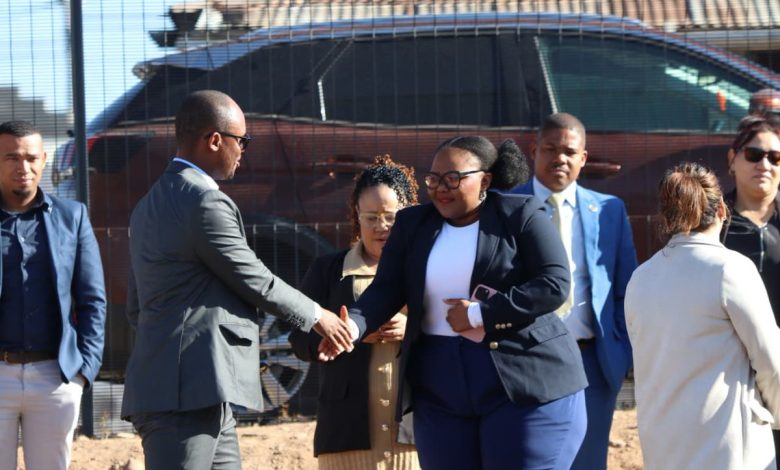
The Department of Basic Education, in a joint effort with the Department of Communications and Digital Technologies, recently marked a significant milestone at Bongolethu Primary School. The event saw the Minister of Basic Education, Ms Siviwe Gwarube, alongside the Minister of Communications and Digital Technologies, Mr Solly Malatsi, officially handing over tablets to learners. This initiative represents a crucial stride towards enhancing digital learning and equipping students with essential technological tools for their education.
Key details of the tablet handover
- Location: Bongolethu Primary School.
- Key individuals:
- Ms Siviwe Gwarube, Minister of Basic Education.
- Mr Solly Malatsi, Minister of Communications and Digital Technologies.
- Institutions involved:
- Department of Basic Education (DBE).
- Department of Communications and Digital Technologies.
- Activity: Official handover of tablets to learners, aiming to integrate digital technology into the schooling system.
A step forward for digital education in South Africa
The recent ceremony at Bongolethu Primary School, where learners received new tablets, underscores the government’s unwavering commitment to advancing digital literacy and access to technology in schools across South Africa. This collaborative effort between the Department of Basic Education and the Department of Communications and Digital Technologies is more than just a handover; it is a strategic investment in the future of our youth. By providing these essential tools, the government aims to bridge the digital divide, ensuring that every learner, regardless of their background or location, has the opportunity to engage with modern educational resources.
Minister Siviwe Gwarube highlighted the transformative potential of these devices, explaining that they are not merely gadgets but gateways to a wealth of information and interactive learning experiences. She emphasised that digital literacy is no longer a luxury but a fundamental skill required for success in the 21st century. Echoing this sentiment, Minister Solly Malatsi spoke about the broader vision of a digitally empowered nation, where technology serves as an enabler for progress and innovation, starting right in our classrooms.
This initiative at Bongolethu Primary School is a testament to the ongoing efforts by the Department of Basic Education to integrate technology seamlessly into the curriculum, preparing students for higher education and the demands of the modern workforce. For more detailed information on the department’s vision and various programmes, please visit our official source. You can also explore additional departmental activities and news by clicking here: more Department activities.
The provision of tablets is a critical component of a larger strategy to create a dynamic and inclusive learning environment, fostering critical thinking, creativity, and problem-solving skills among learners. We believe that by empowering our students with the right tools, we are laying a strong foundation for a brighter, more prosperous future for all.
Questions and answers for the public
- What is the main goal of this tablet handover programme?
The main goal is to enhance digital literacy, provide learners with access to modern educational resources, and prepare them for a technology-driven future, thereby bridging the digital divide in education. - Which schools are eligible to receive these tablets?
The programme is being rolled out strategically across various schools, prioritising those in underserved areas to ensure equitable access to technology. Specific school selections are based on a comprehensive needs assessment. - How will the tablets be used in classrooms?
The tablets are intended to be integrated into daily lessons, supporting interactive learning, research, access to e-textbooks, and various educational applications to complement traditional teaching methods. - Will these tablets come with internet access?
Yes, efforts are being made to ensure that schools receiving tablets also have access to reliable internet connectivity to maximise the educational benefits of these devices. - Who is responsible for the maintenance and repair of the tablets?
The Department, in collaboration with school management and communities, is establishing support systems for the maintenance and repair of the devices. Specific protocols will be communicated to the schools. - Are teachers being trained to use these new digital devices effectively?
Absolutely. Teacher training is a critical component of this programme to ensure that educators are proficient in using the tablets and integrating them effectively into their teaching practices. - How does this initiative support learners in rural areas?
This initiative specifically targets rural and disadvantaged schools to ensure that learners in these areas have the same opportunities for digital learning as their urban counterparts, thereby promoting inclusivity. - What happens if a tablet gets lost or damaged?
Schools will have a clear policy on managing lost or damaged devices, which will involve reporting procedures and potential replacement or repair options, subject to investigation. - How can the community support this programme?
Communities can support by promoting responsible use of the tablets, participating in school governing bodies, and partnering with schools to ensure the longevity and effective utilisation of these resources. - Where can I find more information about similar educational technology projects?
You can find more information and updates on our official Department of Basic Education website at www.education.gov.za and also by visiting news sections like schoolclick.co.za/category/news/.