Unveiling the Realities of Disability and Inclusion: Powerful Stories That Need to Be Heard
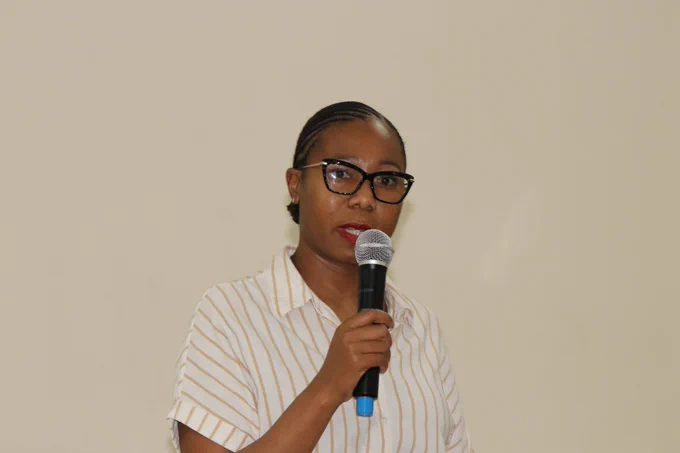
South Africa’s Department of Basic Education is championing inclusive education, putting a well-deserved spotlight on supporting learners with disabilities. A recent event highlighted the importance of understanding and addressing the diverse needs of all students, ensuring no one is left behind. The key message? Accountability in education starts with getting every learner into the classroom.
The event featured powerful personal stories. Ms. Masingita Maluleke, who has dyslexia, shared her experiences navigating the education system. Her diagnosis in Grade 10 brought clarity to her challenges but also revealed the stigma often faced by learners with disabilities. She emphasised the crucial role of supportive teachers and family in her progress. Masingita also pointed out that disabilities exist on a spectrum, with many being invisible, thus highlighting the need for proper assessment and inclusion within mainstream schools. Now, she’s a passionate advocate, pursuing further education and working towards writing a book to share her insights.
Dr. Nausheen Ameen, Chief Education Specialist at the Gauteng Department of Education, echoed this sentiment, focusing on the experiences of parents. She described the emotional trauma many face when learning their child has a disability, such as Down syndrome, and the frequent lack of professional and emotional support. Dr. Ameen stressed the importance of early detection, mental health care for families, and a fundamental shift in perception – moving from focusing on limitations to recognising potential. Her core message: true inclusion requires compassion, diversity training, and responsive interventions to allow every child to thrive.
Mr. Jabulani Ngcobo concluded the discussions with a critical reflection. He stressed that accountability in education begins with compliance, stating that the first responsibility is ensuring the learner is present in the classroom before focusing on quality teaching and meaningful support.
The Department of Basic Education’s commitment to inclusive education is a vital step toward creating a more equitable and supportive learning environment for all children. You can see the original Twitter post here. For more education news, check out SchoolClick’s news section.